





Home Automation: Building the Smart Home of the Future

Home automation represents a fundamental shift in how people manage daily living. It integrates technology, connectivity, and data systems to perform household functions with minimal human input. From lighting to climate control and security, automation connects multiple systems into one network. The development of automated homes reflects the broader movement toward digital transformation. This article…


Read More

The Ethics of Automation: Balancing Efficiency and Employment

Automation continues to reshape industries and redefine how organizations function. Machines and software systems perform tasks once handled by humans. This transition brings clear operational gains, but it also raises complex ethical questions. The central issue is balance. Automation creates new efficiencies but alters employment dynamics. It changes workforce demand, decision-making authority, and economic structure….

Read More

Workflow Automation: Simplify, Streamline, and Scale

Workflow automation has become a foundation for modern business operations. It allows organizations to move from manual task management to systems that handle processes automatically. By removing repetitive work, workflow automation simplifies operations, streamlines communication, and enables organizations to scale efficiently. This article examines how workflow automation functions, its components, financial and operational impact, and…

Read More

How Businesses Save Millions with Process Automation

Process automation has become a fundamental part of modern business operations. It replaces manual processes with technology-driven systems that handle repetitive, structured, or rule-based tasks. For organizations, automation is not simply a method of saving time—it is a financial strategy that directly affects profitability and resource efficiency. By reducing errors, minimizing labor costs, and improving…

Read More

Boosting Productivity Through Smart Automation Tools

In the modern workplace, productivity depends on how efficiently tasks are completed with minimal delays and errors. Technology plays a central role in this process, and automation tools have become a key factor in managing time and resources. Smart automation tools are systems designed to perform defined operations automatically, reducing the need for manual input…

Read More

From Manual to Machine: The Evolution of Automation

Automation is the systematic process of transferring human labor to machines and digital systems. It defines the transformation of production, communication, and management in the modern economy. The evolution of automation reflects continuous progress in technology, engineering, and data science. From early mechanical tools to advanced artificial intelligence systems, automation has changed how industries function,…

Read More

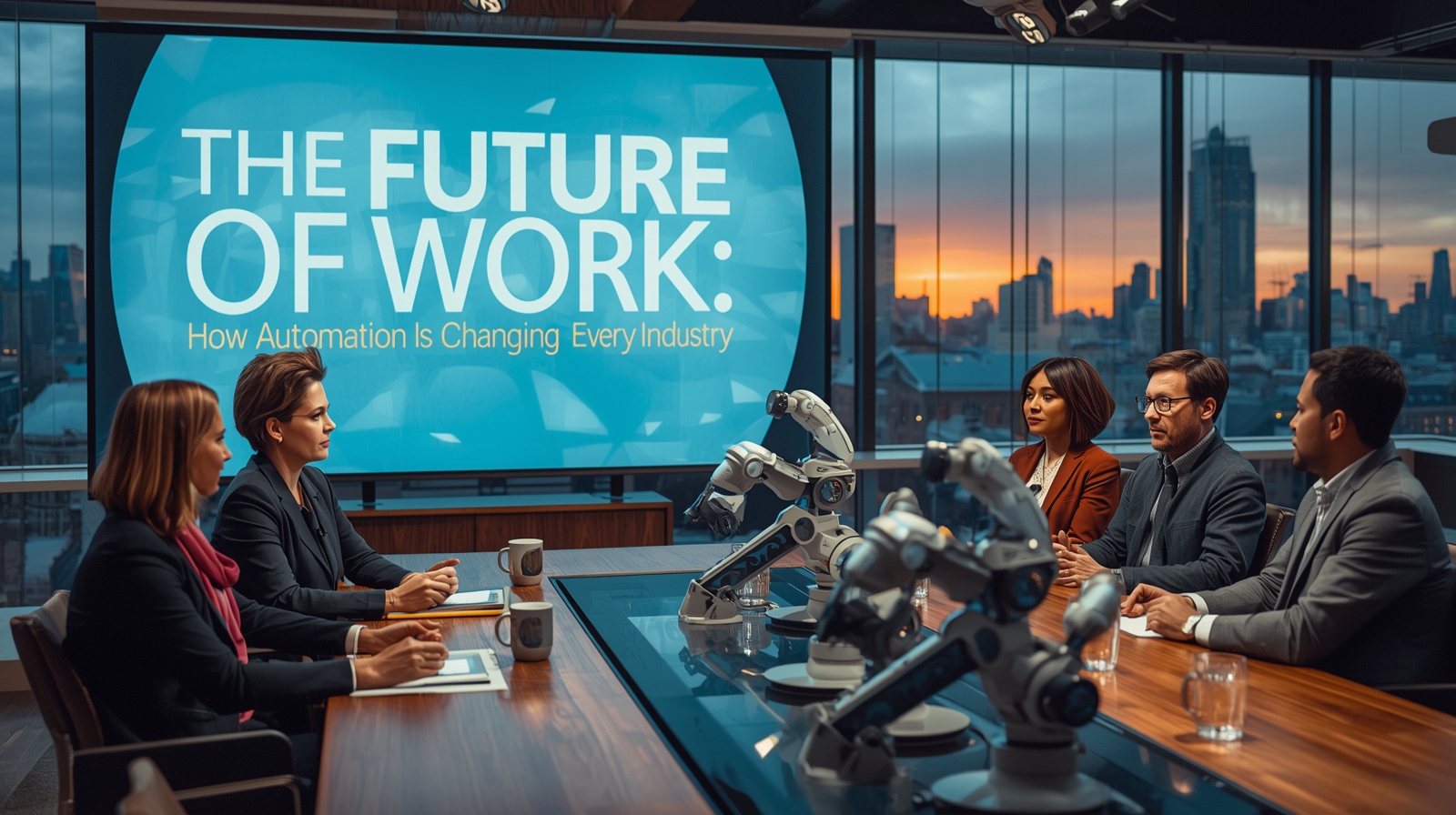
The Future of Work: How Automation Is Changing Every Industry

Automation is reshaping the structure of modern work. It is altering how organizations plan, produce, and deliver goods and services. Across industries, automation is no longer a choice but a requirement for staying competitive. The integration of machines, software, and data-driven processes is influencing productivity, operational efficiency, and the global economy. Automation uses systems that…

Read More